
What Is Vitamin A?
Understanding the Retinoid Family
By The Skincare Compass
When people hear “vitamin A” in skincare, they often think of retinol, but the truth is far richer, deeper and biologically fascinating.
Vitamin A is not a single ingredient. It is an entire family of bioactive molecules known as retinoids, each with its own structure, potency, skin behavior and clinical profile.
To understand why vitamin A is so powerful, we must first understand its forms and how they transform within the skin.
Vitamin A Is a Biological Pathway, Not One Ingredient
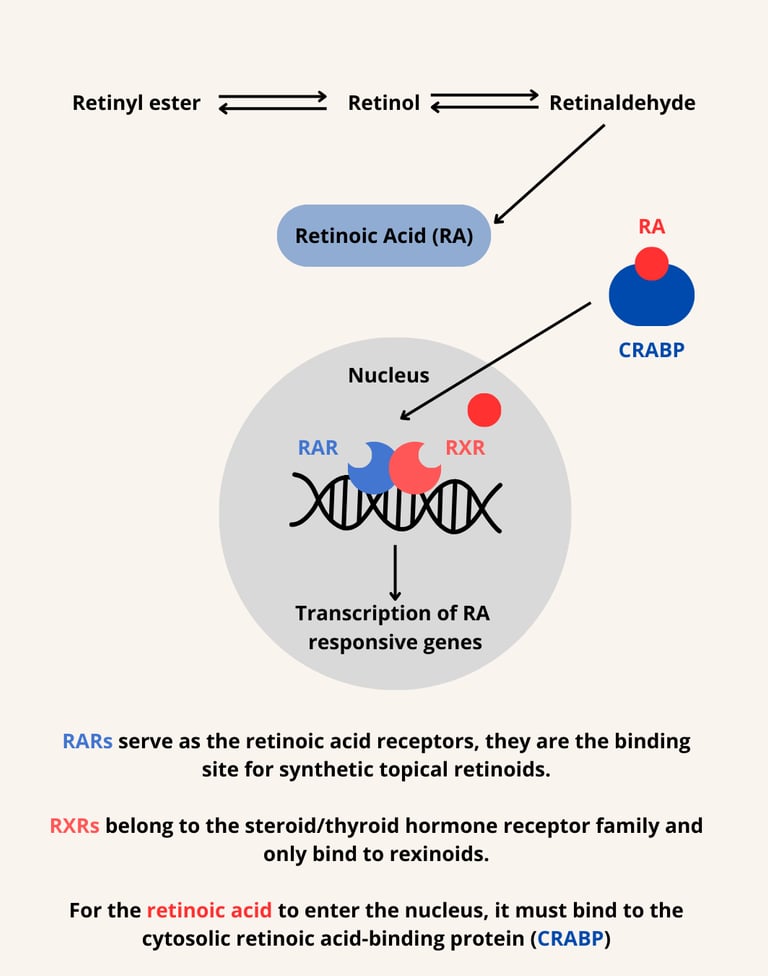
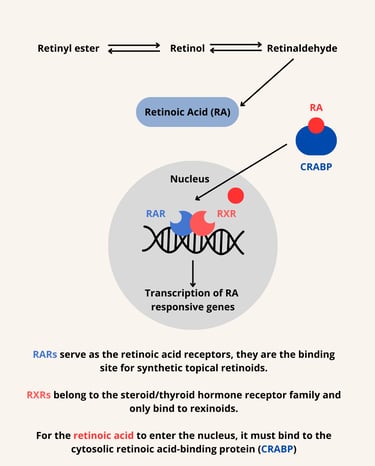
Every retinoid used in skincare, whether prescription or over-the-counter, eventually feeds into the same destination: retinoic acid, the active form that binds to receptors in the skin and regulates gene expression.
Some ingredients are already retinoic acid.
Others require enzymatic conversion before they become active.
This conversion process determines:
how powerful a retinoid is
how quickly it works
how likely irritation is
Retinoic Acid (Tretinoin):
The Active, Prescription Form
Retinoic acid is the biologically active form of Vitamin A, the molecule that directly binds to nuclear receptors (RARs and RXRs) and regulates gene expression.
Because it requires no metabolic conversion, it acts rapidly and deeply within the skin.
What does it do?
stimulates fibroblasts to produce collagen
accelerates epidermal renewal
normalises keratinisation (especially relevant in acne)
downregulates pigmentation pathways
improves dermal matrix organisation
It is one of the most clinically researched retinoids and is widely used in dermatology.
Why is it prescription only?
Its direct mechanism offers powerful results but also a higher risk of irritation when not introduced gradually. Tretinoin remains the gold standard treatment for photoageing and acne. our skin naturally renews itself in a cycle that typically takes between four and six weeks. New cells form in the lower layers of the epidermis and slowly rise to the surface before shedding away. This renewal process keeps the skin smooth and luminous. Gentle exfoliation, retinoids and certain acids can support this cycle, but balance is key, too much stimulation disrupts the barrier rather than enhancing it.
Retinaldehyde (Retinal):
One Step From Active
Retinaldehyde is one metabolic step away from retinoic acid, making it:
highly effective
better tolerated than tretinoin for many users
suitable for cosmetic formulation
Clinically, retinal has demonstrated improvements in:
fine lines
pigmentation
dermal structure
surface texture
It sits at a unique sweet spot: close to prescription-level efficacy, but without requiring a prescription.
Retinol: Widely Used and Well-Studied
Retinol is the most common form found in cosmetic skincare.
It must undergo two enzymatic conversions before becoming active:
retinol → retinaldehyde → retinoic acid
This biochemical distance makes it gentler but slower in onset.
With consistent use, retinol has proven benefits in:
softening fine lines
evening skin tone
improving texture
boosting collagen production
It is an ideal entry point into the retinoid family.
Retinyl Esters: The Gentle Precursors
Retinyl palmitate, retinyl acetate and retinyl propionate are the mildest and least active Vitamin A derivatives. They require multiple conversion steps before they reach retinoic acid.
Because of this, their effects are subtle but they are exceptionally well tolerated, making them suitable for:
highly sensitive skin
young or preventative routines
users who cannot tolerate retinol
Their strength lies in soft, gradual benefit rather than speed.
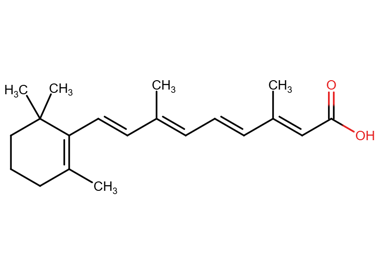
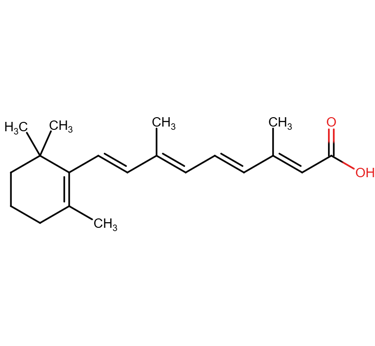
Chemical structure of Retinoic Acid.
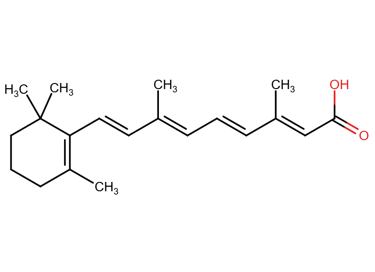
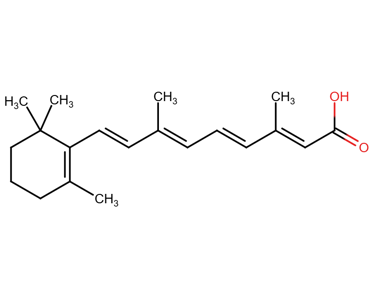
Chemical structure of Retinaldehyde.
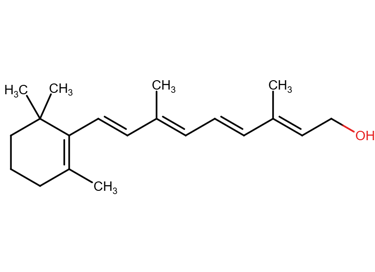
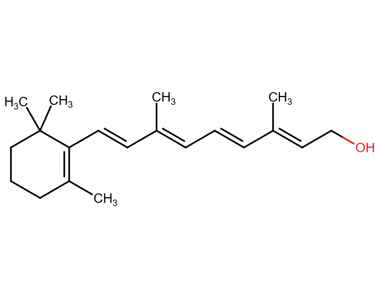
Chemical structure of Retinol.
Contact
Questions? Feel free to send a message.
info@theskincarecompass.nl
© The Skincare Compass — All Rights Reserved
Find us on instagram
Privacy policy